In-Depth Overview of the Total Laparoscopic Hysterectomy Procedure at Dr. Seckin
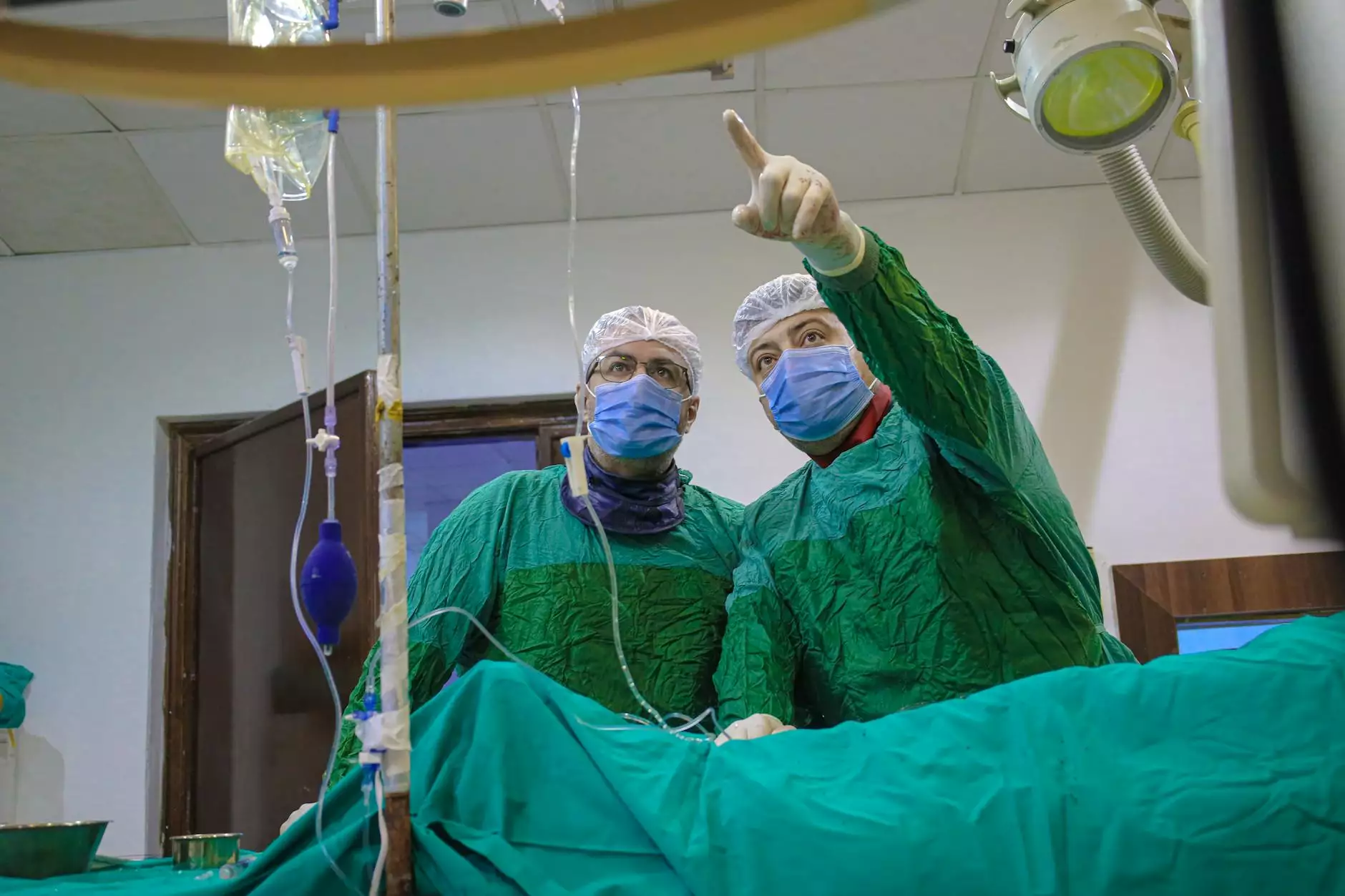
The total laparoscopic hysterectomy has revolutionized the way gynecological surgeries are performed, offering women a minimally invasive alternative to traditional open procedures. At Dr. Seckin's practice, specializing in Doctors, Health & Medical, Obstetricians & Gynecologists, we are committed to providing cutting-edge surgical solutions tailored to each patient's unique needs, ensuring optimal outcomes, faster recovery, and improved quality of life.
Understanding the Total Laparoscopic Hysterectomy Procedure
The total laparoscopic hysterectomy is a sophisticated surgical technique where the entire uterus is removed using small incisions through the abdomen, guided by a high-definition camera. This approach contrasts with traditional open surgery, which involves larger incisions and longer recovery times. With advancements in surgical technology, this minimally invasive procedure has gained widespread acceptance due to its numerous benefits.
The Significance of the Total Laparoscopic Hysterectomy in Women's Healthcare
Women's health often involves complex decision-making concerning fertility, quality of life, and the management of gynecological conditions. The total laparoscopic hysterectomy provides a safe, efficient, and less traumatic option for women requiring uterus removal. It is especially indicated for conditions like fibroids, endometriosis, chronic pelvic pain, uterine prolapse, and precancerous lesions.
Experts like Dr. Seckin recognize the importance of individualized treatment plans, leveraging the total laparoscopic hysterectomy procedure to optimize health outcomes and minimize complications.
Benefits of Choosing a Total Laparoscopic Hysterectomy at Dr. Seckin
- Minimal Scarring: Small incisions lead to less visible scars compared to traditional open surgery.
- Reduced Pain and Discomfort: Minimally invasive techniques result in less postoperative pain.
- Faster Recovery Time: Most patients return to normal activities within a few days to weeks.
- Lower Risk of Infection: Smaller wounds reduce infection likelihood.
- Shorter Hospital Stay: Many procedures are outpatient or involve brief hospitalization.
- Enhanced Precision: High-definition visualization allows for meticulous removal and preservation of surrounding tissues.
- Preservation of Pelvic Stability: Minimally invasive approach maintains pelvic structural integrity.
Step-by-Step Breakdown of the Total Laparoscopic Hysterectomy Procedure
Preoperative Preparation
Prior to surgery, thorough assessment including medical history, physical examination, imaging studies like ultrasound or MRI, and anesthesia evaluation are conducted. Patients are advised on fasting protocols and medication adjustments as needed.
Anesthesia and Positioning
The procedure is performed under general anesthesia. Once anesthetized, the patient is positioned in lithotomy or dorsal lithotomy position with appropriate padding to prevent pressure injuries and improve surgical access.
Surgical Technique
Using precise instruments, the surgeon makes 3-4 small incisions in the abdomen, each approximately 5-10 mm. Through these, specialized trocars are inserted to facilitate the insertion of the laparoscope and surgical tools.
The total laparoscopic hysterectomy procedure involves several key steps:
- Establishing Visualization: The high-definition camera transmits detailed images to the monitor, guiding the surgery.
- Dissection of Ligaments and Vessels: Uterine ligaments, including uterosacral, cardinal, and round ligaments, are carefully dissected and ligated to free the uterus.
- Separation from Adjacent Structures: Bladder and bowel are always carefully separated to prevent injury.
- Vasculature Management: Uterine arteries are sealed using advanced energy devices or clips, ensuring hemostasis.
- Uterus Removal: The uterus is detached from supporting structures, and morcellation may be performed if necessary for removal through small incisions.
Completion and Postoperative Care
After confirming the absence of bleeding and ensuring all structures are secure, the instruments are withdrawn, and the small incisions are closed with sutures or surgical glue. The patient is monitored postoperatively, with pain managed effectively and early mobilization encouraged to promote recovery.
Postoperative Recovery and Long-Term Outcomes of the Total Laparoscopic Hysterectomy
Recovery from a total laparoscopic hysterectomy is typically swift. Patients often experience minimal discomfort, enabling them to resume normal activities within a few days. Regular follow-up appointments ensure healing progresses well, and any concerns are addressed promptly.
From a long-term perspective, women can anticipate relief from symptoms related to their gynecological conditions, such as excessive bleeding or pelvic pain. Importantly, the minimally invasive approach preserves pelvic function and reduces risks associated with traditional open surgeries.
Why Choose Dr. Seckin for Your Total Laparoscopic Hysterectomy?
Dr. Seckin is renowned for his expertise in advanced gynecological surgeries, including the total laparoscopic hysterectomy procedure. His practice emphasizes patient-centered care, using state-of-the-art technology and minimally invasive surgical techniques to maximize safety and outcomes.
- Highly Skilled Surgeon: Extensive experience in laparoscopic procedures and complex gynecological surgeries.
- Personalized Treatment Plans: Tailoring surgical approaches to individual patient needs.
- Comprehensive Care: From diagnosis through recovery, providing holistic women's health services.
- Latest Technology: Utilizing the most advanced laparoscopic equipment for precision and safety.
- Patient Satisfaction: Focusing on comfort, safety, and optimal health outcomes for every patient.
Frequently Asked Questions About the Total Laparoscopic Hysterectomy Procedure
Is a total laparoscopic hysterectomy safe?
Yes, when performed by experienced surgeons like Dr. Seckin, it is a safe procedure with a high success rate and minimal complications.
What are the risks involved?
Potential risks include bleeding, infection, injury to adjacent organs such as bladder or bowel, and anesthesia-related complications. However, these are rare, especially in skilled hands.
How long does recovery take?
Most women recover fully within 2 to 4 weeks, with many returning to normal activities sooner, depending on individual health status.
Can the procedure impact hormone levels or sexual function?
Since the ovaries are usually preserved unless otherwise indicated, hormone levels typically remain unaffected. Sexual function generally remains normal or improves if symptoms like pain or bleeding are resolved.
Conclusion
The total laparoscopic hysterectomy procedure represents a significant advancement in women’s surgical care, offering a less invasive, safer, and more comfortable option for the removal of the uterus. At Dr. Seckin’s practice, patients benefit from cutting-edge technology, expert surgical skills, and personalized attention, ensuring a smooth journey from diagnosis to recovery. If you are considering this procedure, consult with qualified specialists to explore the best options tailored to your health needs and lifestyle.
For more information or to schedule a consultation, visit drseckin.com, your trusted source for advanced women's health care.