Ultimate Guide to Repair Pool Plaster: Restoring Your Swimming Pool’s Beauty and Durability
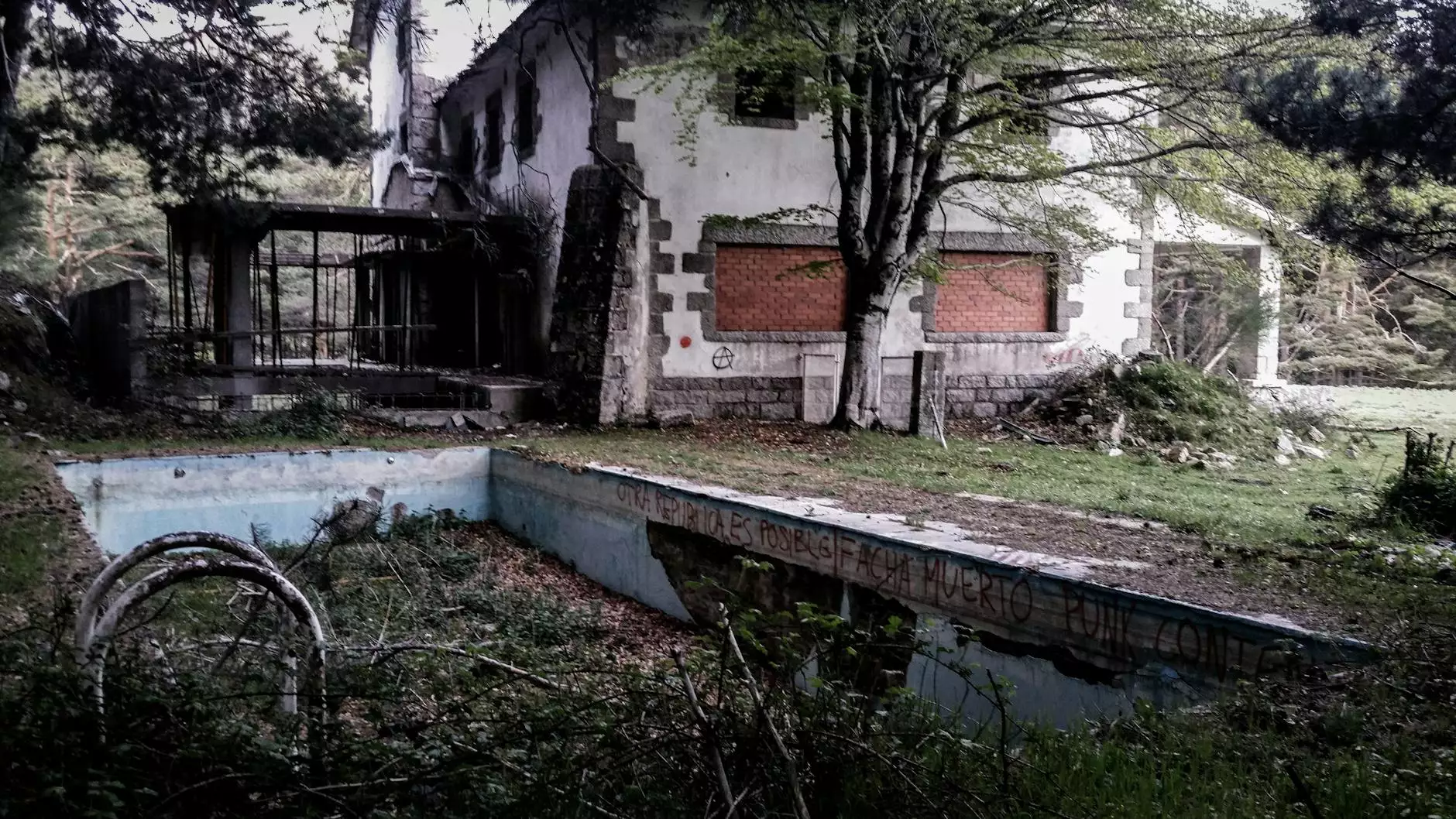
Maintaining a pristine and well-functioning swimming pool requires more than just regular cleaning; it demands proactive care and timely repairs, especially when it comes to the vital surface layer known as pool plaster. Over time, even the most durable plaster can develop cracks, leaks, and surface deterioration, which not only compromise the pool’s appearance but also lead to costly damage if left unaddressed. In this comprehensive guide, we will explore everything you need to know about repair pool plaster, from identifying common issues and understanding the repair process to choosing the right professionals and maintaining your pool post-repair.
Understanding the Importance of Pool Plaster in Pool Maintenance
Pool plaster is a critical component of your swimming pool’s structure, providing a smooth, attractive surface that prevents water leakage, reduces chemical corrosion, and enhances the overall aesthetic appeal. Crafted from fine aggregates such as marble or quartz mixed with Portland cement, pool plaster creates a durable seal that can last many years when properly maintained.
However, even with high-quality materials, factors such as exposure to harsh weather conditions, chemical imbalances, and natural wear and tear can cause the surface to deteriorate over time. Recognizing early signs of damage and undertaking timely repair pool plaster is essential to preserving your investment and ensuring your pool remains a safe, attractive oasis.
Common Signs Indicating the Need for Repair Pool Plaster
Identifying issues early is crucial to preventing extensive damage. Here are some common signs that your pool may require professional repair pool plaster:
- Cracks in the surface: Visible cracks or fractures indicate structural stress and can lead to water leaks.
- Discolored or stained surface: Uneven coloration or staining often signals chemical imbalance or mineral buildup.
- Rough or peeling texture: The smooth finish feels coarse or starts to peel or flake away.
- Frequent water loss: Unexplained water reduction suggests leaks originating from plaster damage.
- Efflorescence: White, powdery deposits on the surface can degrade the plaster’s integrity.
The Process of Repair Pool Plaster: Step-by-Step Overview
1. Comprehensive Inspection and Assessment
Professional technicians begin by thoroughly inspecting the pool’s surface, assessing the extent of damage, and identifying underlying causes. This stage may involve water testing, core sampling, and structural analysis to ensure the repair plan addresses all issues comprehensively.
2. Drainage and Surface Preparation
To facilitate effective repair pool plaster, the pool must be drained safely, minimizing stress on the structure. The damaged plaster is then carefully chipped away using specialized tools, exposing the underlying surface. Surface preparation involves cleaning, sanding, and smoothing the substrate to promote optimal adhesion for the new plaster.
3. Repairing Structural Flaws and Cracks
Major cracks or structural issues are handled first through epoxy injections, hydraulic cement, or other suitable patching materials. This step ensures the pool’s integrity and prevents future issues.
4. Applying New Plaster or Alternative Finish
The final step involves applying a fresh coat of pool plaster — whether traditional cement-based plaster, mineral coating, or modern epoxy-based finishes. The application must be meticulous, ensuring an even, smooth surface that meets aesthetic standards and functional requirements.
5. Curing and Filling
After application, the new plaster needs adequate curing time, often spanning several days. During this period, the pool is kept filled with water to facilitate proper setting and reduce surface cracking. Once cured, the pool is refilled and tested for leaks or imperfections.
Choosing the Right Materials for Long-Lasting Repair Pool Plaster
Not all plaster products are created equal. The choice of materials impacts durability, aesthetic appeal, and maintenance requirements. Here are some popular options:
- Traditional Cement Plaster: Provides a classic finish, cost-effective, but may require more frequent repairs.
- Quartz Plaster: Combines marble and quartz for a smooth, attractive surface that resists staining and offers enhanced durability.
- Polished Pebble Tec: Offers a rougher, textured finish with exceptional resilience and visual appeal.
- Epoxy Coatings: Provide highly waterproof, chemical-resistant surfaces ideal for pools prone to chemical imbalance or heavy usage.
Preventative Maintenance: Extending the Life of Your Repaired Pool Surface
Proper maintenance is key to prolonging the lifespan of your pool’s plaster surface after repair. Here are essential tips:
- Maintain Proper Water Chemistry: Regularly test and correct pH, alkalinity, and sanitizer levels to prevent chemical damage.
- Avoid Abrasive Cleaning: Use gentle brushes and non-abrasive cleaning agents to prevent surface scratching.
- Proper Water Circulation: Ensure consistent water filtration and circulation to reduce mineral buildup and algae growth.
- Address Small Repairs Promptly: Fix minor cracks or chips immediately to prevent larger structural issues and avoid costly future repairs.
Why Hiring a Professional Is Critical for Repair Pool Plaster
While some pool owners attempt DIY repairs, the complexity and precision required make professional intervention highly advisable. Expert technicians have the specialized tools, experience, and understanding of pool structures to deliver flawless repairs that stand the test of time. They also ensure:
- Proper surface preparation for adhesion
- Accurate matching of plaster type and finish
- Adherence to safety standards and environmental regulations
- Long-term durability and aesthetic consistency
Why Choose poolrenovation.com for Your Repair Pool Plaster Needs?
As a leading authority in swimming pools and water heater installation and repair, poolrenovation.com offers unparalleled expertise and customer service. Our team of certified professionals specializes in:
- Comprehensive pool inspections and assessments
- High-quality materials for durable repairs
- Customized repair strategies tailored to your pool’s unique needs
- State-of-the-art equipment ensuring precise application
- Long-term maintenance guidance
Choosing the right professionals not only guarantees a perfect repair pool plaster but also provides peace of mind knowing your pool’s future is secure with expert support.
Final Thoughts: Restoring the Shine and Functionality of Your Pool
In conclusion, repair pool plaster is an essential aspect of comprehensive pool maintenance that preserves both the beauty and structural integrity of your swimming pool. Whether you face minor surface issues or significant structural damage, timely repair coupled with quality materials and professional expertise can restore your pool to its former glory.
Investing in professional repair pool plaster not only enhances the pool’s appearance but also extends its lifespan, saving you money in the long run while ensuring safe, enjoyable swimming experiences for you and your loved ones. Don’t wait for small issues to become costly problems—act now by partnering with industry experts at poolrenovation.com to keep your pool pristine and functional for years to come.