Understanding the Business of Counterfeit Currency: Insights into Fake Money and the Market for Counterfeit Pounds for Sale
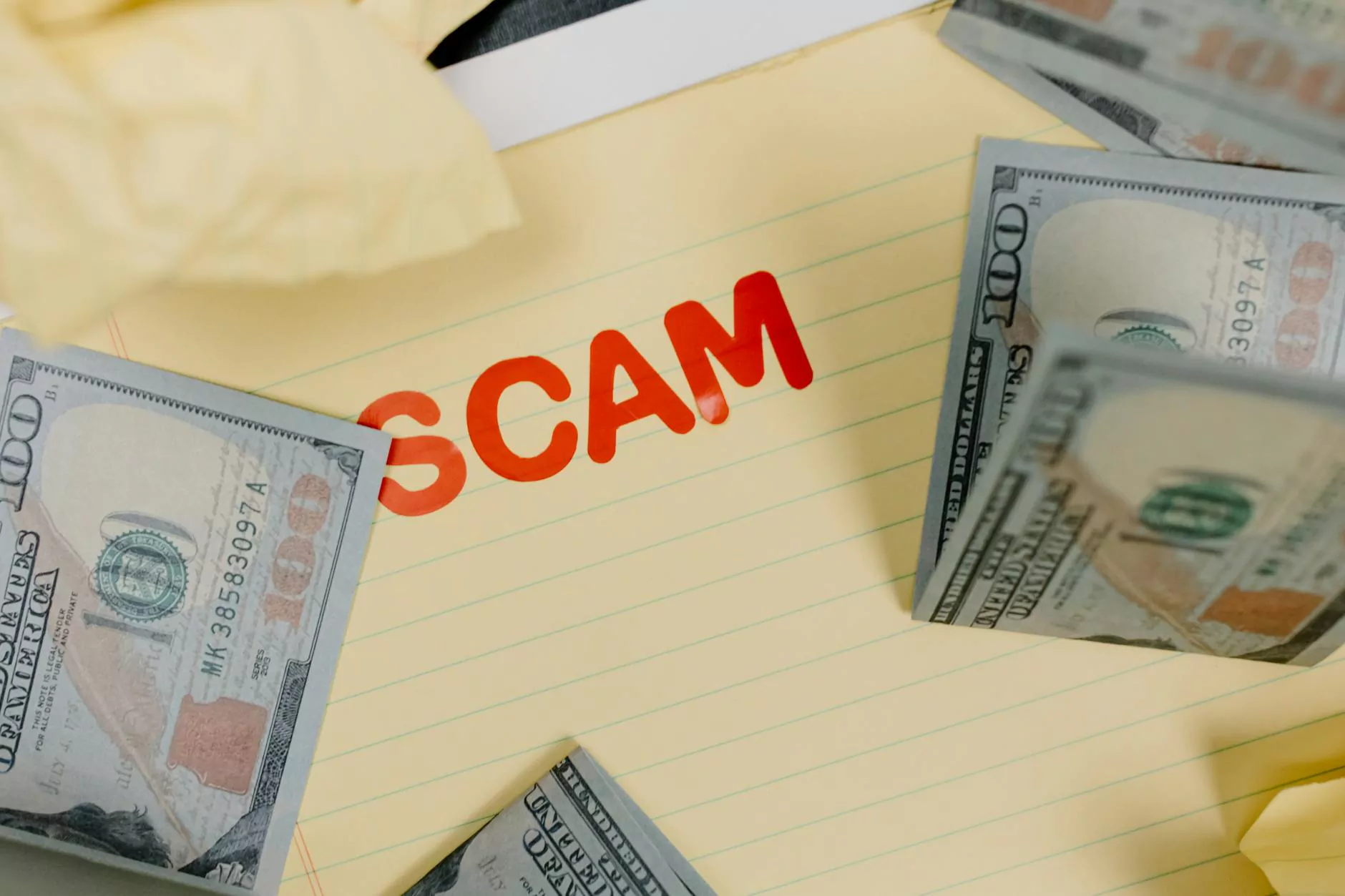
The world of counterfeit currency is a complex and often misunderstood sector within the broader landscape of financial crime. As economies evolve and digital transactions become more prevalent, the illicit trade in fake money—particularly counterfeit pounds for sale—remains a concern for authorities, businesses, and individuals alike. This comprehensive article delves into the intricacies of this illegal market, exploring its origins, methods, risks, and the importance of awareness in combating counterfeit currency use.
The Origins and Evolution of Fake Money Circulation
The production and distribution of fake money have existed for centuries, from rudimentary coin counterfeiting in ancient civilizations to highly sophisticated modern forgeries. Today, counterfeit pounds for sale often originate from well-organized criminal enterprises that leverage advanced printing technology, high-quality paper, and digital manipulation tools to produce convincing fake notes. These operations are driven by economic incentives, seeking to exploit weaknesses in currency security features and the lack of awareness among the public.
How Counterfeiters Create High-Quality Fake Pound Banknotes
Modern counterfeiters employ a variety of methods to produce counterfeit pounds for sale, often replicating the intricate security features embedded in genuine currency. Critical stages include:
- Design Replication: Using high-resolution digital images of real notes, counterfeiters recreate detailed designs, including portraits, backgrounds, and security elements.
- Printing Techniques: Employing specialized printers such as offset or intaglio presses to mimic the tactile and visual qualities of authentic banknotes.
- Materials Selection: Utilizing high-quality paper or polymer substrates that imitate the feel and appearance of genuine currency.
- Security Feature Simulation: Incorporating fake watermarks, holograms, microprinting, and other features to deceive casual inspection.
Despite these efforts, expert analysis often reveals telltale signs of counterfeit money, emphasizing the importance of trained detection skills, especially for routine cash handling.
The Market for Counterfeit Pounds for Sale: A Growing Concern
The clandestine trade in counterfeit pounds for sale is influenced by various factors, including economic instability, difficulty in detecting fake currency, and high demand among illicit actors. This underground market operates through various channels:
- Online Black Markets: Hidden websites and encrypted messaging platforms facilitate anonymous transactions of counterfeit bills.
- Physical Networks: Street-level dealers and couriers distribute fake notes within local communities or at international borders.
- Bulk Smuggling: Large shipments of counterfeit cash are transported across borders, often hidden within legitimate cargo.
The accessibility and low cost of production for counterfeit notes, coupled with the increasing sophistication of forgeries, have made the market for counterfeit pounds for sale more resilient and pervasive.
Legal and Economic Risks of Engaging with Fake Money
Dealing with counterfeit currency is not only illegal but also fraught with significant risks:
- Legal Consequences: Penalties for trading or possessing counterfeit banknotes include substantial fines and imprisonment, underlining the serious nature of this crime.
- Financial Losses: Victims who unknowingly accept fake money suffer monetary losses, damaging their trust and financial stability.
- Reputational Damage: Businesses found facilitating or ignoring fake currency circulation face severe reputation damage and legal sanctions.
- Security Threats: The flow of counterfeit currency can undermine economic stability and serve as a gateway for larger criminal activities.
How to Identify Fake Money: Essential Tips for Businesses and Individuals
Recognizing counterfeit notes requires vigilance and familiarity with genuine currency features. Here are crucial indicators to differentiate real from fake banknotes:
- Feel the Paper: Authentic banknotes have a distinctive texture due to high-quality paper or polymer; fake notes often feel thinner or rougher.
- Check Security Features: Examine security threads, watermarks, holograms, microprinting, and color-shifting inks under various lighting conditions.
- Inspect Details: Genuine notes are printed with precise, sharp details. Blurry or inconsistent images are signs of counterfeits.
- Use Detection Tools: Employ UV light scanners, magnifying glasses, or counterfeit detection pens for higher accuracy.
- Compare Notes: Always compare suspicious bills with authentic notes of the same denomination and series.
Education and continuous training for cash handlers significantly reduce the risk of accepting fake money and contribute to maintaining a secure monetary environment.
The Impact of Fake Money on the Economy and Society
The circulation of counterfeit pounds for sale and other fake currencies has far-reaching effects:
- Economic Distortion: Fake money inflates supply, diminishes the value of genuine notes, and complicates monetary policy management.
- Loss of Trust: Widespread counterfeiting erodes public confidence in the cash system, prompting increased skepticism and reduced cash usage.
- Increased Costs: Governments and businesses spend more on security measures and counterfeit detection, raising operational expenses.
- Facilitation of Crime: Counterfeit currency often funds other illegal activities, including drug trafficking, terrorism, and organized crime.
Legal Measures and Fight Against Counterfeit Currency
Governments worldwide implement strict laws and technological innovations to combat counterfeit pounds for sale. Notable strategies include:
- Enhanced Security Features: Continuous updating and improvement of banknote security designs make counterfeiting more difficult.
- Legislative Frameworks: Enacting stringent anti-counterfeiting laws, criminal penalties, and international cooperation.
- Public Awareness Campaigns: Educating the public and businesses on recognizing fake notes and reporting suspicious activity.
- Advanced Detection Technologies: Developing portable detection devices and authentication software for quick and reliable verification.
Conclusion: Staying Vigilant in a Complex Currency Climate
As the business of counterfeit currency continues to evolve, awareness and proactive measures become essential for individuals, businesses, and authorities. While the market for counterfeit pounds for sale presents serious risks, understanding the production methods, detection techniques, and legal implications can safeguard financial transactions and uphold monetary integrity.
For those engaged in cash handling or retail, investing in proper detection tools and training is vital. Furthermore, staying informed about the latest security features added to legitimate currency helps prevent inadvertent acceptance of fake bills. Collective vigilance and robust legal frameworks play pivotal roles in diminishing the influence of counterfeit currency and protecting the economic fabric.
Ultimately, a well-informed society that recognizes the signs of fake money and understands the legal consequences of engaging with counterfeit notes significantly contributes to a more secure financial environment. As counterfeiters become more sophisticated, so too must the defenses and awareness of genuine currency users.
Remember: Always verify cash, stay updated on security features, and report suspicious currency to relevant authorities to fight the ongoing issue of counterfeit money effectively.