Kubota Hydraulic Pump Replacement: Everything You Need to Know
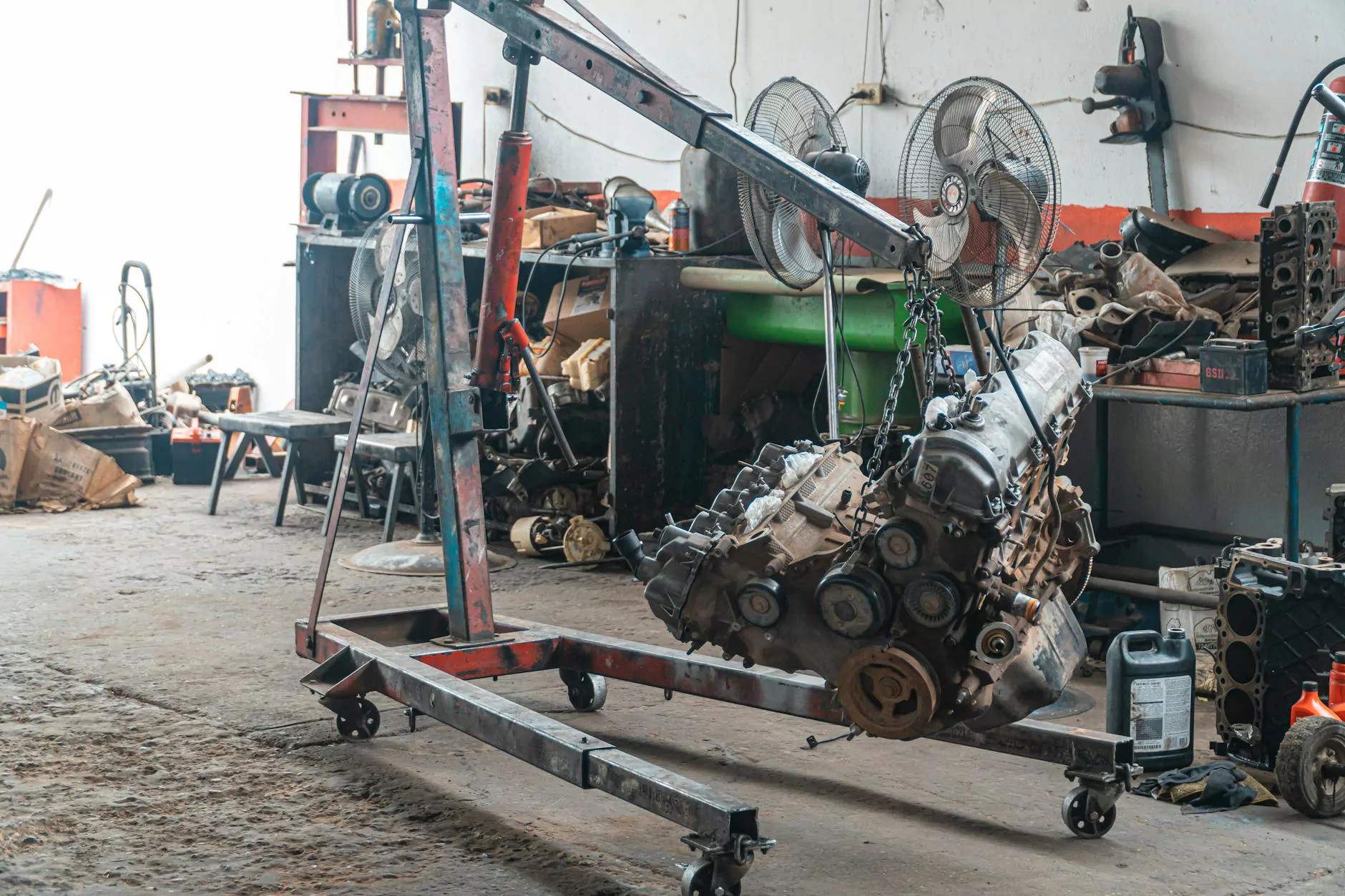
The Kubota hydraulic pump replacement process is pivotal for ensuring the efficiency and longevity of your equipment. Whether you own Kubota machinery for agricultural use, construction, or landscaping, understanding how to properly replace a hydraulic pump can save time, reduce costs, and extend the lifespan of your equipment.
Understanding the Importance of Hydraulic Pumps
Hydraulic pumps are the heart of any hydraulic system, responsible for converting mechanical energy into hydraulic energy. This energy enables the operation of various components, including loaders, excavators, and other machinery. Therefore, a malfunctioning hydraulic pump can lead to reduced performance, increased fuel consumption, and in some cases, complete equipment failure.
Signs of a Failing Hydraulic Pump
Recognizing the signs of a failing hydraulic pump is essential for timely Kubota hydraulic pump replacement. Some common indicators include:
- Unusual Noises: Grinding or whining sounds while operating.
- Low Operating Pressure: A noticeable drop in pressure can indicate issues.
- Overheating: Excessive heat can signal pump failure.
- Fluid Leaks: Puddles of hydraulic fluid may be visible under the machinery.
- Vibration: Unusual vibrations while operating can suggest pump problems.
Why Choose Genuine Kubota Parts?
When it comes to replacing hydraulic pumps on your Kubota machinery, sourcing genuine Kubota parts is critical. Here’s why:
- Quality Assurance: Genuine parts are manufactured to the highest standards, ensuring durability and optimal performance.
- Compatibility: These parts are designed specifically for Kubota machinery, reducing the risk of improper fit or performance issues.
- Warranty Protection: Installing genuine parts helps maintain your warranty and enhances resale value.
- Performance: Genuine parts provide peak performance compared to aftermarket alternatives.
Step-by-Step Guide to Kubota Hydraulic Pump Replacement
Replacing a hydraulic pump can be daunting, but with the right tools and guidance, it can be an achievable task. Follow these steps for a successful Kubota hydraulic pump replacement:
1. Gather Necessary Tools and Materials
Before you begin, ensure you have the following tools:
- Socket Set
- Wrench Set
- Screwdrivers
- Torque Wrench
- Hydraulic Fluid
- Safety Glasses
- Work Gloves
2. Safety Precautions
Always prioritize safety when servicing your machinery:
- Ensure the machine is turned off and secure.
- Release any remaining hydraulic pressure.
- Wear appropriate safety gear to protect against fluid spills.
3. Remove the Old Hydraulic Pump
Carefully follow these steps:
- Disconnect the hydraulic lines from the pump.
- Unbolt the pump from its mounting bracket, using the appropriate tool.
- Remove any electrical connections if applicable.
4. Install the New Hydraulic Pump
Once the old pump is removed, follow these steps to install the new one:
- Position the new hydraulic pump in place and secure it with bolts.
- Reconnect the hydraulic lines, ensuring all connections are tight to prevent leaks.
- If applicable, reconnect any electrical connections.
5. Fill the System with Hydraulic Fluid
After the installation, it’s time to refill the hydraulic system with the appropriate oil:
- Locate the hydraulic fluid reservoir.
- Fill with the specified hydraulic fluid, as recommended in your machine’s manual.
- Check for leaks around the new pump and connections.
6. Test Operation
Once the system is filled:
- Start the machine and allow it to run at idle.
- Check for any unusual noises or operational issues.
- Monitor the hydraulic pressure gauge to ensure it operates within the normal range.
Maintenance Tips for Hydraulics Performance
To ensure your hydraulic system remains in optimal condition after a Kubota hydraulic pump replacement, consider these maintenance tips:
- Regular Fluid Changes: Change the hydraulic fluid periodically, following the manufacturer's recommendations.
- Visual Inspections: Routinely check for leaks and signs of wear on hoses and connections.
- Keep Filters Clean: Regularly change or clean hydraulic filters to prevent contaminants from damaging the pump.
- Monitor Performance: Keep an eye on the system's performance and address any issues immediately.
Conclusion
In conclusion, understanding the intricacies of kubota hydraulic pump replacement is vital for any Kubota machinery owner. From recognizing the signs of a failing pump to executing a replacement and following up with thorough maintenance, being proactive can lead to significant savings and improved efficiency. For true peace of mind, always source your parts from reputable suppliers like Shop Hydraulic America, where you can find a wide range of genuine hydraulic parts for all your needs.
Shop Hydraulic America: Your Trusted Source for Hydraulic Parts
At shophydraulicamerica.com, we offer a comprehensive selection of hydraulic parts and supplies to ensure your machinery operates at peak performance. From hydraulic pumps to hoses and filters, we are committed to providing our customers with the highest quality products. Explore our categories, including:
- Auto Parts & Supplies
- Motorcycle Parts & Supplies
Your satisfaction is our priority. Trust Shop Hydraulic America for all your hydraulic needs!