Leading the Scrap Trade: Your Ultimate Guide to Industrial Scrap Solutions
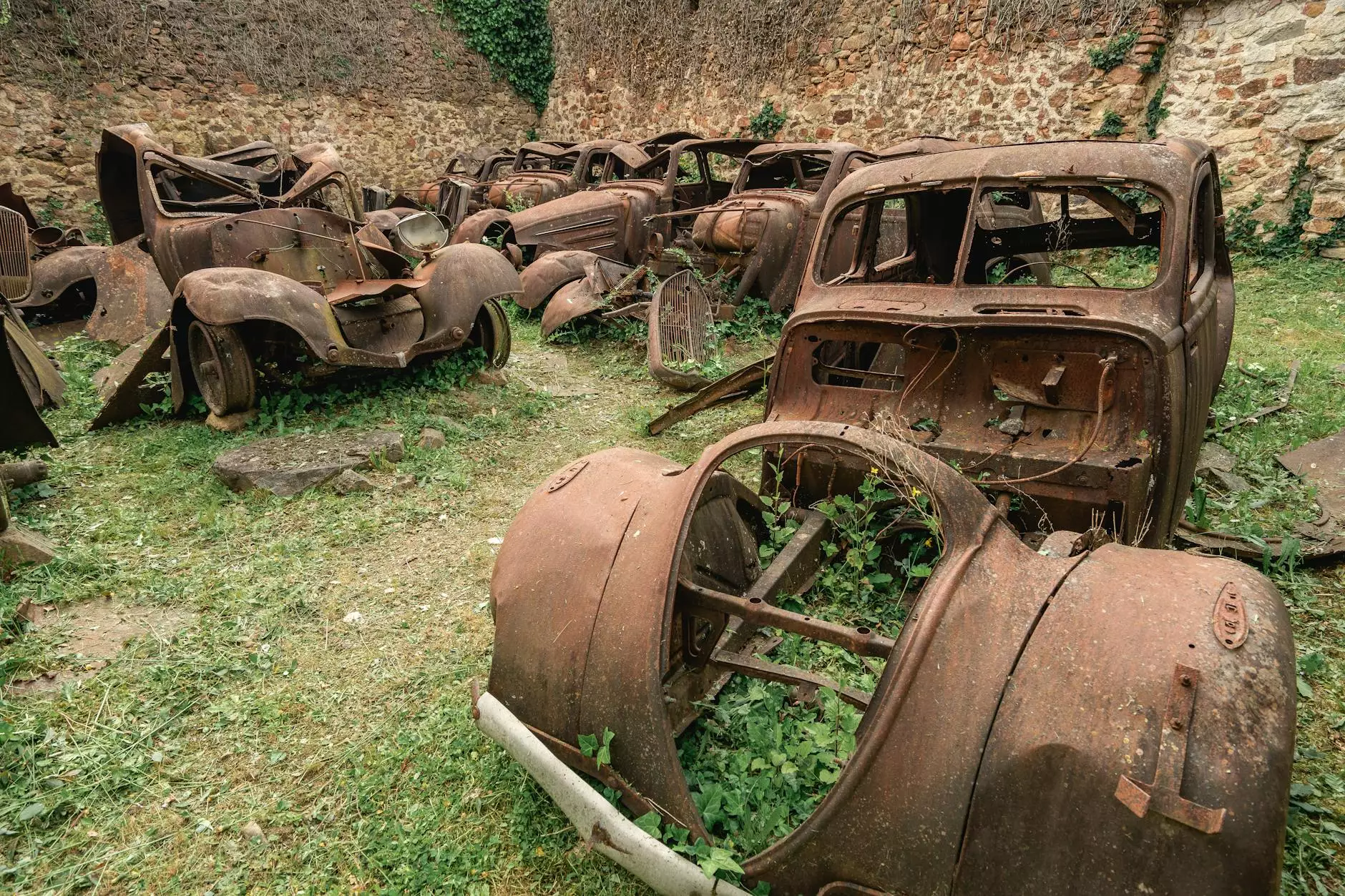
The modern economy thrives on sustainability, and scrap trading has become a vital component in fostering a circular economy. At the forefront of this movement is the Scrap Trading Center, an established name committed to providing comprehensive recycling solutions and serving as a bridge for industrial scrap buyers and sellers alike. This article will take a deep dive into the world of scrap trading, with a particular focus on aluminum scraps and how engaging in this sector can yield substantial profits while promoting environmental sustainability.
Understanding Scrap Trading: The Basics
Before we delve into the intricacies of the scrap trading industry, it’s essential to grasp the fundamental concepts that underpin this vibrant market. Scrap trading serves as the gateway through which industrial waste is transformed into valuable materials that can be reused in production processes. By understanding the key components of this industry, businesses can emerge as leaders in recycling solutions.
What is Scrap Trading?
Scrap trading involves the buying and selling of recyclable materials—commonly known as scrap. These materials include metals, plastics, paper, and electronic waste. The Scrap Trading Center operates by connecting various stakeholders including
- Scrap Suppliers: Businesses and individuals looking to sell waste materials.
- Scrap Buyers: Companies requiring raw materials for manufacturing processes.
- Recyclers: Organizations that process scrap into reusable raw materials.
The Importance of Scrap Trading in Today’s Economy
In today’s economically conscious society, scrap trading plays a significant role in reducing waste and optimizing resource use. The benefits include:
- Environmental Benefits: Decreases landfill waste and reduces environmental degradation.
- Economic Incentives: Provides a revenue stream for businesses and individuals.
- Sustainable Supply Chains: Supports the development of sustainable business practices.
Diving Deeper into Aluminum Scraps
Among all the materials traded in the scrap market, aluminum scraps hold a unique position due to their wide application and high recyclability. As noted in this link, investing in aluminum scraps can be exceptionally lucrative.
Why Aluminum?
Aluminum is renowned for its lightweight, durability, and resistance to corrosion, making it an essential material across various industries such as automotive, aerospace, and packaging. Here’s why aluminum scraps are incredibly valuable:
- High Recycling Rate: Almost 75% of all aluminum ever produced is still in use today, showcasing its recyclability.
- Energy Efficient: Recycling aluminum uses only 5% of the energy required to produce new aluminum, making it an eco-friendly option.
- Cost Efficiency: The market for aluminum is robust, with recycled aluminum costing significantly less than virgin aluminum, providing a financial advantage.
Best Practices for Engaging with Aluminum Scraps
For businesses looking to engage in aluminum scrap trading, it’s crucial to adopt best practices that maximize both environmental integrity and profitability:
- Source Quality Scrap: Ensuring that the aluminum scrap is clean and uncontaminated guarantees a higher return on investment.
- Build Relationships: Establishing a network of reliable suppliers and buyers enhances stability in sourcing.
- Stay Informed on Market Trends: Understanding current market trends, including price fluctuations and demand, is vital to making informed trading decisions.
- Utilize Technology: Leverage online platforms such as the Scrap Trading Center for efficient transactions and to reach a broader audience.
The Role of Industrial Scrap Buyers
As an industrial scrap buyer, one's responsibility extends beyond mere transactions; it involves creating a framework for sustainable business practices. The interplay between buyers and reconciling the flow of industrial scrap underlines the significance of this role.
Identifying Reliable Scrap Suppliers
Finding and establishing relationships with trustworthy scrap suppliers is crucial for an industrial buyer. Consider the following strategies:
- Networking: Attend industry conferences and trade shows to meet potential suppliers.
- Research: Investigate suppliers’ histories and reputations to ensure reliability.
- Partnership Programs: Implementing long-term contracts with suppliers can ensure consistency in supply.
Setting Competitive Pricing Strategies
Effective pricing strategies are fundamental to maintaining competitive edge. It's essential to keep an eye on international market rates, demand trends, and local economic conditions to develop flexible pricing options that both attract suppliers and profit your business.
Innovative Recycling Solutions
In the quest for sustainability, innovative recycling solutions must be embraced by all stakeholders in the scrap trading ecosystem. Progress in technology and processes has redefined how recyclable materials are treated and utilized.
Technology in Recycling
The adoption of advanced technologies in recycling processes not only enhances efficiency but also maximizes material recovery:
- Sorting Technologies: Automated sorting systems can significantly improve the separation of various materials, ensuring higher purity of recyclables.
- Manufacturing Innovations: New manufacturing processes using recycled materials can create more sustainable products without compromising quality.
- Data Analytics: Utilizing data analytics helps in monitoring supply chains and forecasting demand more accurately.
Educating the Market
Another critical aspect of innovative recycling solutions is the need to educate stakeholders on recycling practices. Awareness campaigns can cover:
- Importance of recycling in reducing waste and conserving resources.
- How businesses can implement recycling into their operational models.
- Strategies for consumers to participate in recycling efforts.
Case Studies: Success in Scrap Trading
Several companies have excelled in scrap trading through innovative practices and commitment to sustainability. Below are a couple of notable examples:
Case Study 1: Aluminum Innovators
This company specializes in collecting and processing aluminum scraps, focusing on community outreach and education around recycling. Their sustainable practices have led to a 40% reduction in operational waste.
Case Study 2: The Circular Economy Leader
By employing advanced sorting technologies, this enterprise not only enhanced their recycling capabilities but also reduced energy consumption by 30%. Their model showcases how technology can drive efficiency in scrap trading.
Future of Scrap Trading
As we look ahead, the future of scrap trading appears promising, fueled by growing environmental consciousness and advancements in recycling technology. Companies must adapt to the changing landscape by exploring:
- Blockchain Technology: Enhancing transparency and traceability in scrap transactions.
- Policy Changes: Staying abreast of regulatory changes aimed at improving recycling rates.
- Emerging Markets: Exploring new avenues for scrap recycling in developing countries.
Conclusion: Join the Scrap Revolution
The evolution of the scrap trading industry presents unparalleled opportunities for individuals and businesses committed to sustainability. By partnering with platforms such as the Scrap Trading Center, engaging in aluminum scrap purchases, and implementing innovative recycling solutions, stakeholders can not only achieve profitability but contribute to a healthier planet. Join the movement today by exploring the exciting world of scrap trading!
https://www.scraptradingcenter.com/category/aluminum-scraps